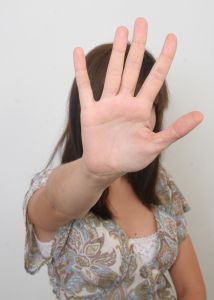
It is a common misconception that preschool children know what it means when you ask them to “listen”. Grown ups constantly ask them to “listen” or “pay attention”, but a young child can’t comply with those requests until you explain what that will actually look like.
Clean It Up!
While we’re on the topic of clean up time, I thought I’d mention that I use Laurie Berkner’s song, “Clean It Up” as my clean up music. (You can find it at iTunes for just a dollar. Though if you can get out of iTunes having only spent one dollar, my hat’s off to you!) I give kiddos a five minute reminder before clean up time, then after five minutes I turn this sing on repeat until the task is done. The trumpets at the beginning are great for getting everyone’s attention, and the song is fun and child-friendly without being hokey. (That’s a trademark quality of Laurie Berkner’s music. It’s kid appropriate, active, fun, and full of awesome musical elements and different genres-not watered down monotony. I’m obviously a big fan.) Sometimes, as we’re getting close to finished, I challenge the children to see if we can be done before the song is over. They’re usually up for the race. Music is great for signalling routine transition times such as this. If the ‘Everybody Everywhere’ version of a clean up song is working for you, stick with it. If you’re ready for a change, and maybe a little more musical styling, check this one out!
Photo courtesy frecuencia.
Book Activity: Pigsty by Mark Teague
At the beginning of each year, I really like to read Pigsty by Mark Teague with my new little ones. It is a funny, and fantastically illustrated story of Wendell Fultz who decides he does not want to clean his room. His mother tells him it’s his choice if he wants to live in a pigsty. Wendell is content with his choice, even when a few pigs show up to live in his pigsty. The piles keep growing, and soon, Wendell begins to discover some of his prized possessions have been chewed on, smashed, and lost in the mess. He demands that the pigs help him clean up! With the room nice and tidy, Wendell is happy, but the pigs don’t feel quite so at home, so they move to Old MacDonald’s farm and now only come to visit for game night.
Willoughby Wallaby Woo
I’m sure you can find other versions of this song, but does anyone really do it better than Raffi? Willoughby Wallaby Woo, is a great song for practicing new names in a class. As an added benefit, it is also great for getting kiddos to laugh! As you can hear in this YouTube clip, it’s a simple silly song, using consonant substitution (a great pre-reading skill) to fit each name into the song. This is particularly fun if you have an elephant puppet to set above each child as you sing that child’s name. (If the elephant reference doesn’t make sense, you need to listen to the clip!)
You can download the song from Raffi’s Singable Songs for the Very Young album, available at iTunes. You might as well pick up a few more Raffi classics while you’re there. The man is a genius!
Welcome Weeks
The beginning of school is so exciting! I remember many nights before the first few days of school, laying out my clothes for the next day and then laying in bed for hours, unable to sleep because I was just so excited. I watched my own son do the same thing. I just kept smiling the next morning as he walked around the house, fully dressed and ready, with his backpack on, a full hour before it would be time to leave. That is the way we want these learners to stay! Excited for school and passionate about learning! The first few weeks, as we welcome the children into our rooms, we set that precedence- that this is a fun, safe place to come and learn. I like to spend the first few weeks doing some of my favorite activities, while also getting the children used to me, the routine, and each other. Here are a few activities I like to use, that I’ll be posting over the next few weeks. (All links will be added here as they are posted.) Enjoy! And please, let me know what activities you like to do during the first weeks of school also!
Classic Playdough (You just can’t miss with this!) – Fine motor, sensory
Push Down and Play Time
As I began writing this post, it became apparent that I was writing a sermon in two parts. (Brevity has never really been my strong suit.) Don’t worry, you don’t need to change into your Sunday best, your pajamas are just fine (you know who you are). Just get comfortable, I’ve got a lot on my mind.
If you want to get preschool teachers all riled up, talk about “push-down curriculum” (pushing academic standards from one grade down to the next- pushing fluent reading skills from first grade to kindergarten, and now to preschool, for example). I read this article the other day, and it really got me thinking about academics and preschoolers.
Playing Around with Playdough
Classic Playdough is a staple of childhood! Not only is it fun and creative, but working that dough builds fine motor strength and control. These skills are just as critical to developing young writers as is learning the ABCs. Pushing objects into playdough creates a new type of sculpture and also presents a new challenge to children as it requires them to use the pincer grasp and push at the same time (a skill similar to writing with a pencil). I’ve found that preschoolers love to scatter their creations withtoothpicks, pipecleaners, googley-eyes, feathers and beads.
Recently, we experimented with a new kind of “push-in”. I gathered accessories from a “Cooties” game as well as our Mr. Potato Head. The kiddos had a great time coming up with all kinds of creatures.
(It appears I have a budding Picasso on my hands with that face arrangement!)
Stop the Presses!
I picked up a great deal while visiting my parents a while back. Their local newspaper sells the remnant rolls of newsprint, in a variety of sizes, for next to nothing. I think I spent $3 on a roll that just happened to be the perfect length for my easel, with enough paper on it to last me a year at least! Newsprint is certainly lower grade quality than your typical art paper. It tends to yellow a little over a long period of time, so it’s not what you would want to use for framed artwork. It is great, however, for high volume projects; those times that kiddos just want to experiment over and over (pretty much all the time). It’s also great for covering tables for large group collages and murals, or just for protecting the table. Really, for three bucks, you could use it for just about anything, and you still get your money’s worth! Check out your local newspaper to find out if they sell their remnant rolls of newsprint. Additionally (in case you wonderful people need more reasons to feel good about yourselves) using this newsprint is a great way to recycle a spent resource while also conserving new resources. So you can be green and save green all at the same time! Can’t really beat that, can you?
Pouring Preschoolers
Here’s a little secret: Preschoolers can pour their own drinks. It’s true! The children gain so much independence and self-confidence by learning this self-help skill. Autonomy is something children crave at this age, and this is certainly an activity they can do on their own when appropriate parameters are set.
First of all, I use a small pitcher that they can easily lift and control. I use these little, plastic, liquid measuring cups that I picked up at the Wally Mart, and have my little ones pour their own water at snack time. I love that these are see-through so the children can watch as they and others pour (and the fact that they are extremely cheap and readily available is nice too).
Make Your Own Rhythm Sticks
Rhythm sticks are a must-have for a preschool program! As long as you have enough dexterity to get your two hands to come together in the same general area (a fantastic feat for very young ones) you can play this instrument! Use them as part of a percussion band, or for specific rhythm stick activities. They magically turn any chant or song into a fun phonological awareness building activity! You can have children tap and count, or tap parts of the body. Switch up old favorites, like, “If You’re Happy and You Know It” by adding the sticks (“If you’re happy….tap your toes”). Use them with tempo songs like Hap Palmer’s Slow and Fast, or practice beating rhythm patterns (floor, floor, together…) to incorporate both music and math concepts. Or simply explore the sounds you can make by tapping the floor, your shoes, a bell, or your other stick. Try to sound like the rain, builders, or anything else they bring to mind! They really are so simple, but their uses are essentially limitless. Every time I bring them out for music time, I have a room full of excited children with eyes beaming! In addition to their great musical and creative qualities, rhythm sticks are great for redirecting those children that just need to hit things together, or simply work out some energy.
You can buy rhythm sticks for a lot or a little, but if you’re pinching every penny (and who isn’t these days), or if you are susceptible to sudden flashes of inspiration, requiring that you must have these fantastic instruments for tomorrow’s activity and can’t possibly wait for shipping, you can make them yourself, quickly and inexpensively.
- « Previous Page
- 1
- …
- 96
- 97
- 98
- 99
- 100
- …
- 111
- Next Page »


